McCormick Place & Rosemont Conventions
North America's premier convention centers draw hundreds of thousands of corporate executives. We dynamically schedule ad spend around the convention master calendar.
Chicago is a dual-airport market driven by McCormick Place conventions, Loop financial headquarters, and high-value suburban corporate corridors. We build campaigns that capture contracted business travel and high-margin weekend event fleets.
Gateway Logistics
Airport transfers are the core recurring cashflow for ground transport. We engineer dedicated single-airport campaigns with terminal-level staging intelligence.
Major international gateway with complex terminal pickup staging. Ad messaging highlights guaranteed terminal vestibule meet & greet and automated flight tracking.
Domestic corporate and leisure hub with rapid turnaround windows. We capture high-intent travelers seeking dependable alternatives to congested rideshare pickup lines.
High-Yield Corridors
We capture high-fare point-to-point transfers and hourly contracts with keyword bidding tailored to corporate hubs and affluent corridors.
Market Economics
Understanding regional booking triggers separates profitable Google Ads campaigns from money-losing broad match setups.
North America's premier convention centers draw hundreds of thousands of corporate executives. We dynamically schedule ad spend around the convention master calendar.
Financial, consulting, and legal firms in the Loop, paired with corporate parks in Schaumburg and Oak Brook, create high-frequency contracted monthly billing.
During lake-effect blizzards and polar vortex conditions, guaranteed 4WD luxury fleets and professional chauffeurs capture premium surge bookings.
Soldier Field, United Center, and Wrigleyville events fill party buses, sprinters, and stretch limos for hourly charter packages.
Precision Architecture
Every dollar is mapped to high-intent search terms with negative keyword shielding and automated bid controls.
Midway and O'Hare target different passenger demographics and fare structures. Segregating budgets prevents O'Hare from draining Midway's high-efficiency returns.
Automated Google Ads bid adjustments align with major McCormick Place expos (IMTS, RSNA, Pack Expo) for maximum market penetration.
When quote requests arrive during peak morning rush or winter delays, our lead workflows notify your team instantly and send immediate SMS quote confirmations.
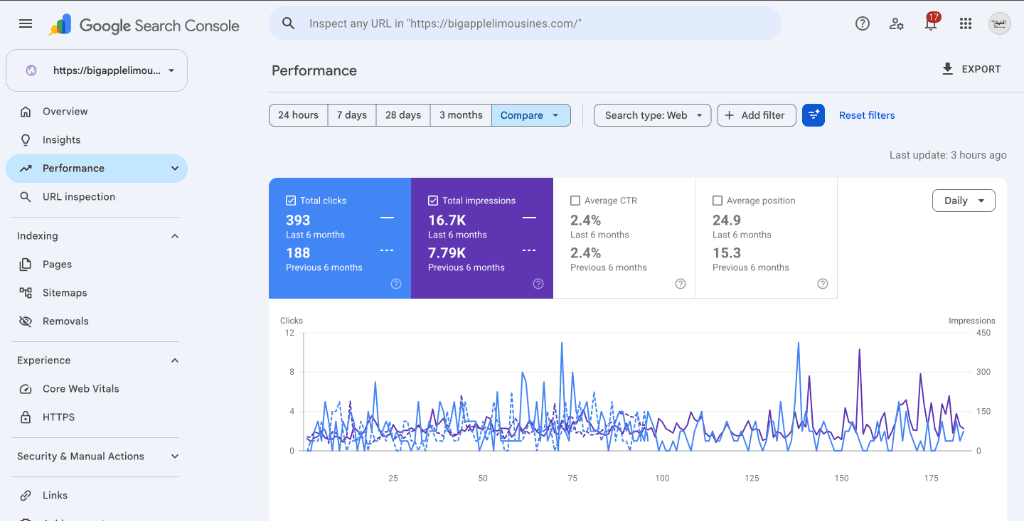
1,120+ monthly rides and $14.20 target CPA across O'Hare, Midway, and Loop corporate routes with unified conversion tracking.
Fleet Scalability Engine
Whether you operate 4 executive SUVs or 35 mixed livery vehicles, our Google Ads and lead generation system scales your booking pipeline while keeping fleet utilization at peak efficiency.
Targeted Verticals
Google Ads for chauffeur and limousine businesses that need more airport rides, corporate bookings and local bookings.
Explore Limo campaign specs →High-intent airport transportation marketing that turns local search and booking intent into reservations and repeat business.
Explore Airport Transportation campaign specs →Questions & Answers
No. They have different fares, different competitors and a different rider. O'Hare skews international and connecting, Midway domestic and more price-aware. Sharing a budget hides which airport is actually profitable, so we split them at campaign level with separate landing pages.
Operating in Chicago
Book a 20-minute growth audit. We’ll analyze your local competitor bids, negative keyword leaks, and missed call gaps.